ENFJ as a Friend
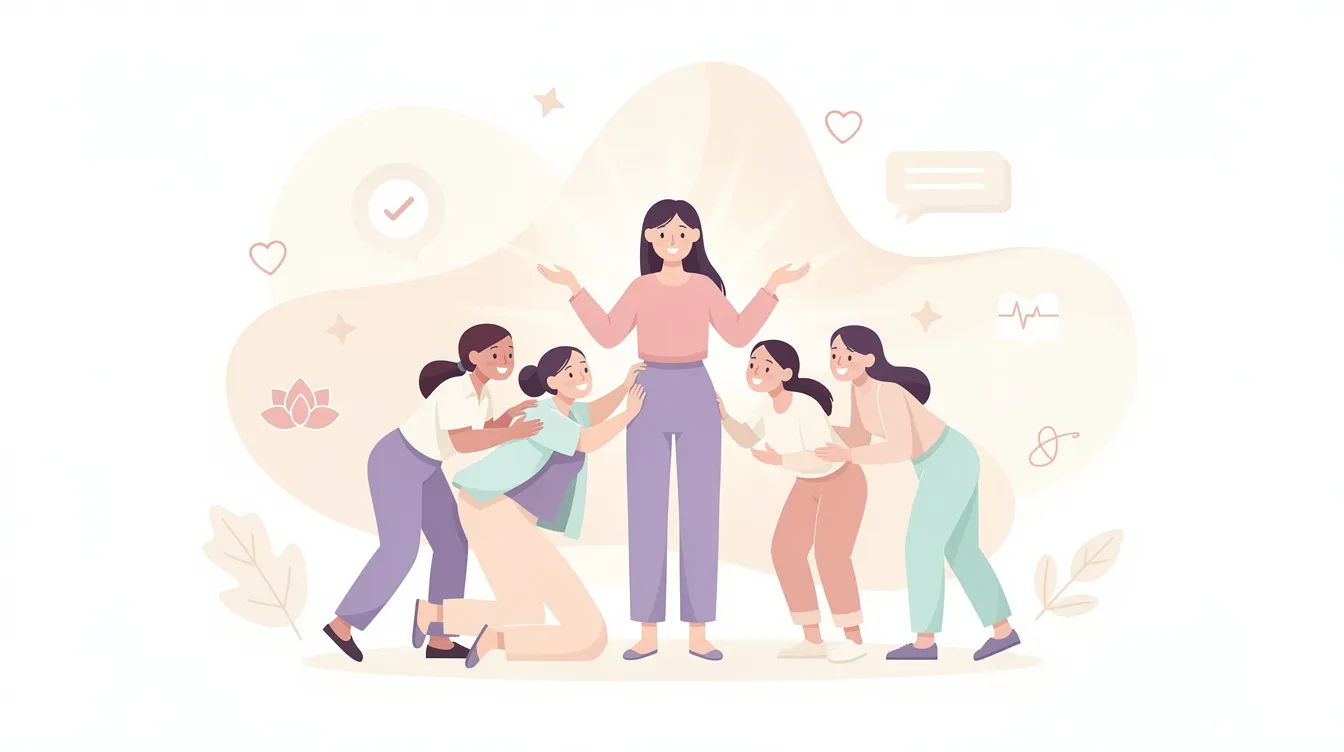
ENFJs are the friend who believes in your potential more than you believe in it yourself — who remembers your abandoned dreams, sees your growth before you feel it, and holds space for you to become the person they somehow already know you can be. Their friendship feels like having a personal champion who refuses to let you settle for less than your best.
They bring an intensity of care that can be overwhelming in the best way possible. An ENFJ friend doesn't just listen to your problems — they actively help you solve them, connect you with people who can help, and follow up a week later to see if you took action. Their investment in their friends' lives is genuine, active, and sometimes borders on parental in its thoroughness.
The shadow side: ENFJs can become too invested in their friends' choices. Their vision of "your best self" might not match YOUR vision — and their disappointment when you don't follow their advice can feel like judgment even when it's born from genuine care. They sometimes love people toward a future the person hasn't actually chosen for themselves.
How They Make Friends
ENFJs make friends through emotional recognition and active pursuit. They spot people who need something — encouragement, inclusion, support, connection — and provide it naturally. This instinct toward others' needs creates rapid bonds that feel deep almost immediately.
They often make friends by "adopting" people: taking a quiet new colleague under their wing, befriending the person standing alone at an event, or actively including someone who seems marginalized by the group. Their instinct to include is powerful and completely genuine.
ENFJ friendship formation is intentional. Unlike types who let friendships happen accidentally, ENFJs decide to invest in someone and then actively nurture the connection. They're the ones who text "we should get together" and actually follow through with a specific plan and date.
Their friend groups tend to be medium-large (10-20 close friends) with the ENFJ at the connective center. They're often the person who introduces friends to each other, creating a wider community that all orbits their inclusive energy and organizational drive.
What They Value in Friendships
Growth orientation. They want friends who are actively working on becoming better — learning, evolving, questioning their patterns. Stagnation in friends feels personally frustrating because ENFJs invest in people's trajectories, not just their current state.
Emotional depth. They want to know how you really are — not the polished version. Friends who are vulnerable with them earn their most committed, sustained care.
Reciprocal investment. ENFJs pour enormous energy into friendships and need to feel that investment matters. Being taken for granted is their deepest social wound.
Openness to influence. They want friends who consider their input, who take their advice seriously (even if they don't always follow it), and who acknowledge the ENFJ's insight into their situation.
Active participation. They want friends who co-create the relationship — who suggest plans, share important news, invite the ENFJ into their world rather than only occupying the ENFJ's world passively.
Friendship Red Flags
ENFJs pull back from friendships with people who:
- Refuse to grow. Making the same mistakes repeatedly, rejecting all feedback, and refusing to examine destructive patterns — eventually the ENFJ's enormous patience runs out.
- Take without giving. Accepting support, advice, and emotional investment while offering nothing in return.
- Resist vulnerability. Maintaining a constant wall, refusing to share real feelings, and keeping everything surface-level prevents the ENFJ from doing what they do best.
- Undermine their care. Dismissing their advice, mocking their idealism, or treating their investment as controlling or overbearing when it comes from genuine love.
- Are consistently negative without action. ENFJs can handle heavy emotions — but not chronic complainers who refuse every offered solution.
The ENFJ ending is painful because they feel they've failed. They don't just lose a friend — they process it as evidence that their caring wasn't enough, which can shake their core identity as someone who helps people grow.
Best Friend Types
INFP — Provides the depth, authenticity, and emotional sensitivity that make the ENFJ feel their care truly lands. INFPs receive the ENFJ's investment with genuine, visible gratitude.
ENFJ — Two ENFJs together create a friendship of mutual championing. Each sees the other's potential and actively supports it with matching energy.
INFJ — Shares the ENFJ's idealism and depth while adding introspective insight. They validate each other's vision for people while providing strategic perspective.
How to Be a Better Friend to an ENFJ
Invest actively in them. Ask about their goals, their struggles, their growth. Don't let them be only the giver. Be the friend who says: "Enough about me. What are YOU working through right now?"
Take their advice seriously. You don't have to follow all of it — but demonstrating that you genuinely considered their input shows respect for their investment in you.
Express appreciation specifically. Not just "thanks" but "the way you checked in on me last week really meant something. I felt genuinely seen." ENFJs thrive on knowing their care made a tangible difference.
Be open about your inner world. Share your fears, your hopes, your struggles voluntarily. ENFJs feel closest to people who trust them with authentic vulnerability.
Show up for their moments too. Their promotion, their event, their hard day — be as present for them as they consistently are for you. Reciprocity is everything to an ENFJ.
Social Battery
ENFJs have a large social battery that charges through meaningful connection. Surface-level socializing drains them despite their considerable skill at it — they want depth, progress, and emotional truth in their interactions, not just pleasant conversation.
They can handle extensive social time but need it to feel purposeful. An evening helping a friend work through a problem energizes them completely. Two hours of idle chatter with acquaintances depletes them surprisingly fast.
Recharging happens through reflective solitude — journaling, planning, processing their relationships — or through receiving care from their innermost circle. ENFJs need people who nurture them, not just people they nurture.
The ENFJ friendship rhythm: regular, intentional, and growth-focused. They reach out frequently, track their friends' life developments, and create opportunities for meaningful interaction. Their social life is a garden they actively tend — and they measure its health by the flourishing of every person in it.